
By the time construction crews break ground, countless engineering decisions have already been made, quietly but critically. From understanding the soil to setting load paths, from integrating services to embedding sustainability, these steps form the core of successful early-stage design.
In fact, some of the most important structural outcomes are decided before a single line is drawn in CAD. Here are the hidden elements of structural planning that take place behind the scenes long before a building stands on site.
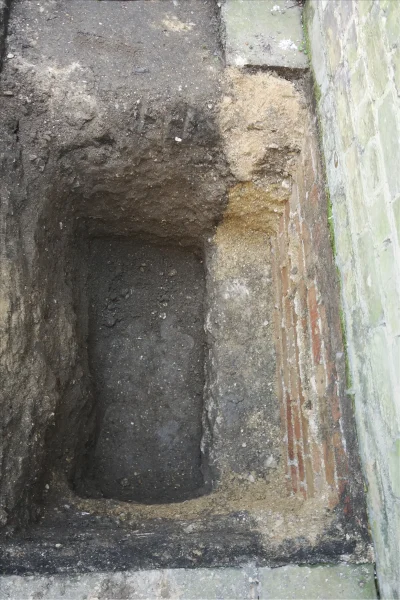
Every strong structure begins with a deep understanding of the ground it will stand on. During early stage design, engineers carry out or review detailed site and ground investigations to assess soil conditions, groundwater levels, contamination risks and existing infrastructure beneath the surface.
Because the ground dictates the foundation strategy. Clay, chalk, sand and rock all behave differently under load. Groundwater can affect excavation stability and long-term settlement. Even subtle variations across a site influence the choice between shallow foundations, deep piles, rafts or more specialised solutions. Good structural planning at this stage ensures that foundations are appropriately designed, safe, economical and aligned with the project’s sustainability ambitions.
One of the first responsibilities of a structural engineer during early stage design is determining how loads — from the weight of the structure itself through to wind, snow and occupancy — travel through the building and into the ground. This is known as load-path planning.
This process shapes the entire structural frame: columns, beams, cores, bracing systems and even the arrangement of walls. Effective load-path planning ensures the building behaves predictably and safely during its lifespan, including under extreme conditions.
Clear load paths also make a building more cost-effective. When a structural engineer plans for efficiency in the flow of force, material use can be reduced while maintaining strength, directly supporting greener construction practices, something our team at Peter Dann prioritises across all projects.
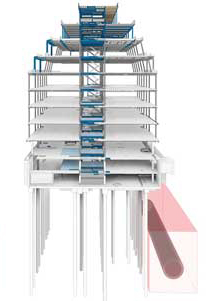 Buildings today are complex ecosystems of electrical routes, ventilation ducts, heating systems, water supplies and drainage networks. Integrating these seamlessly requires collaborative structural planning from day one.
During early stage design, engineers consider where services will run so they don’t conflict with beams, floor slabs or load-bearing elements. Coordinating structural zones early on helps avoid clashes that could lead to costly redesigns later. For example:
By embedding service coordination into plans, we can ensure a building operates smoothly and sustainably long after completion.
At Peter Dann, sustainability isn’t an add-on; it’s embedded in every stage of our early-stage design approach. The decisions we make about structural form, materials and construction methods have a significant long-term environmental impact.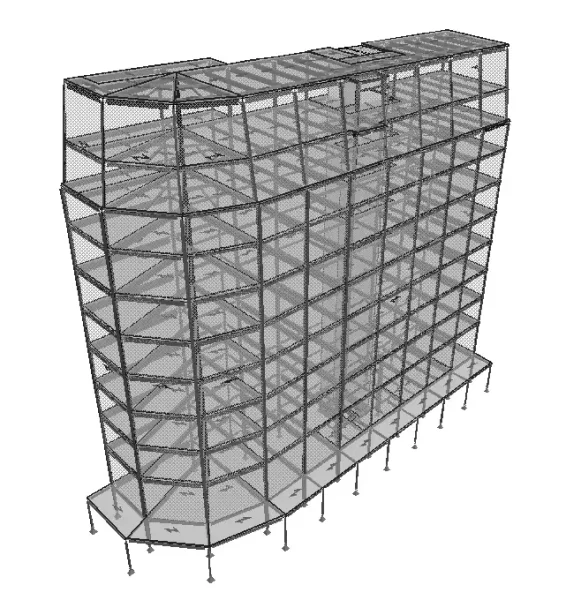
Early questions include:
These sustainability-focused decisions are integral to our structural planning, helping us deliver solutions that align with current green initiatives while preparing for the evolving expectations of the built environment.
Even in the concept stages, engineers are closely involved in shaping the architectural form. Early collaboration ensures that ambitious designs remain practical, safe and economical.
Through clear and thoughtful structural engineering plans, we support architects in refining layouts, adjusting spans and aligning structural grids with the building’s functional needs. This collaborative effort leads to a smoother design journey and a more coherent outcome.
At Peter Dann, our 60+ years of experience have shown us that great engineering isn’t just what you see. It’s the thoughtful, precise and often invisible structural planning that ensures every project stands strong, performs efficiently and contributes positively to the built environment.
These unseen choices are the true foundation of every building, and the reason structures designed with robust structural engineer plans continue to serve communities for generations.
If you’re planning a project in Cambridge, London or the surrounding areas, our team at Peter Dann is here to support you from the ground up. Get in touch to discuss your early-stage ideas and discover how thoughtful structural and civil engineering can add lasting value, efficiency and sustainability to your scheme.